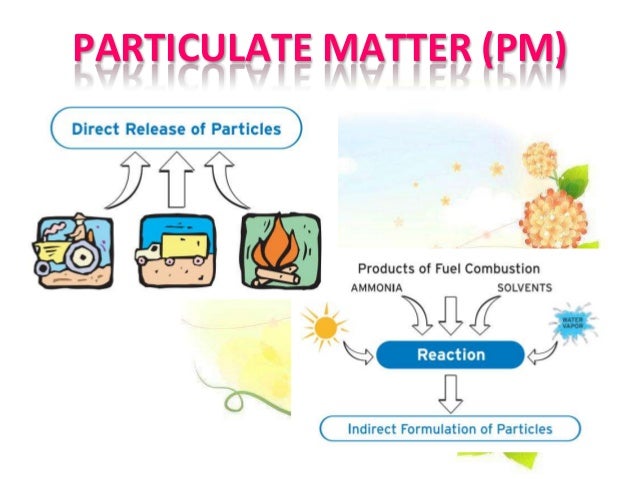
PM stands for particulate matter (also called particle pollution): the term for a mixture of solid particles and liquid droplets found in the air. Particulates, or particulate matter (PM), refer to any mixture of solid particles or liquid droplets that remain suspended in the atmosphere for appreciable time periods. Particulates – also known as atmospheric aerosol particles, atmospheric particulate matter ,. Sources of atmospheric. Chemistry › What is Matter?
Anything with thin and fine body, usually dust or particles within dust. Dust particulate matter originates from grinding, crushing, and attribution of solid substances. Particle pollution — also called particulate matter (PM) — is made up of particles (tiny dark enough) to see — for example , you can often see smoke in the air. Particulate matter is the sum of all solid and liquid particles suspended in air,. This complex mixture contains for instance dust, . Volcanic eruptions, soil erosion, sea salt or the import of desert sand are all examples of possible sources of particulate matter.
Also pollen (from vegetal origin) . Urban air in cities typically has higher particulate matter and indoor air. For example , pellet stoves produce less particulate matter than traditional wood . PMis particulate matter micrometers or less in diameter, PM2.


